

Senior Citizen Benefits India 2026:
Bumper Gift for Senior Citizens: New Government Schemes and Financial Benefits in 2026
The landscape for senior citizens in India is undergoing a massive transformation. As the cost of living and healthcare expenses rise, the Government of India, led by Finance Minister Nirmala Sitharaman, has introduced several landmark proposals and updates aimed at providing financial dignity and health security to those aged 60 and above.
If you are a retiree or have elderly parents at home, understanding these new updates is crucial. From doubled health insurance limits to massive tax savings, 2026 is shaping up to be a “Golden Year” for India’s seniors.
1. The Mega Health Revolution: Ayushman Bharat Expansion
Healthcare is often the biggest concern for the elderly. Under the Ayushman Bharat – Pradhan Mantri Jan Arogya Yojana (PM-JAY), a revolutionary change is being implemented:
-
Coverage Increase: The previous limit of ₹5 Lakh per family is proposed to be increased to ₹10 Lakh. This ensures that critical surgeries (heart, kidney, or cancer treatments) are fully covered without draining life savings.
-
Age-Based Inclusion: A new dedicated vertical is being created for citizens aged 70 and above, ensuring they get priority access regardless of their family’s economic status.
-
Cashless Treatment: This benefit is applicable across all government hospitals and thousands of empanelled private hospitals across India.
Why this matters?
For a senior citizen, a single hospital stay for a major ailment can cost upwards of ₹4–6 Lakh. By doubling the cover, the government is effectively providing a “Health Security Shield” to millions of households.
2. Major Income Tax Relief Proposals
For years, the demand for a higher tax-free slab for retirees has been a hot topic. In 2026, the discussions have moved toward a significant shift:
-
Higher Exemption Limits: Currently, seniors (60–79) enjoy a ₹3 Lakh limit, and super seniors (80+) enjoy ₹5 Lakh. The new proposal aims to push this limit to ₹10 Lakh for all seniors under the New Tax Regime.
-
Tax-Free Interest Income: Under Section 80TTB, seniors can currently claim a deduction of up to ₹50,000 on interest earned from banks and post offices. There are calls to increase this to ₹1 Lakh to help those who rely solely on interest for their monthly expenses.
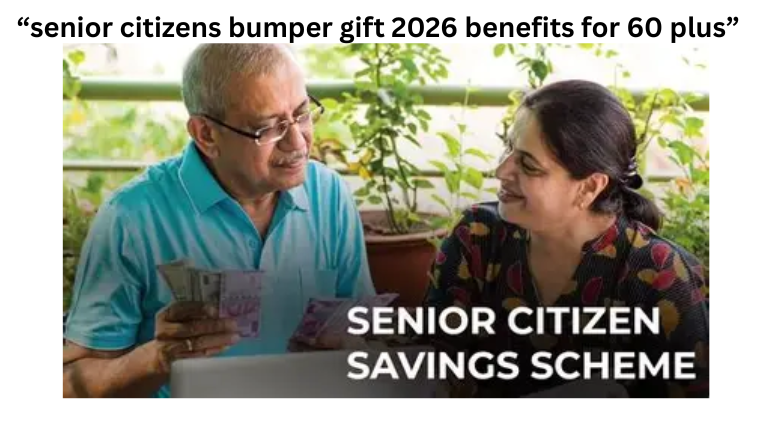
3. Senior Citizens Savings Scheme (SCSS) Updates
The Senior Citizens Savings Scheme (SCSS) remains the gold standard for safe investments.
-
Current Interest Rate: As of early 2026, the rate stands at a lucrative 8.2% per annum.
-
Investment Limit: The maximum investment limit remains at ₹30 Lakh.
-
Quarterly Payouts: This scheme provides a guaranteed quarterly income, making it the most reliable “pension substitute” for private-sector retirees.
4. The Return of Railway Concessions?
One of the most emotional and widely discussed topics is the restoration of Railway Concessions.
-
Before the pandemic, men over 60 got a 40% discount, and women over 58 got a 50% discount on train tickets.
-
Current Status: The Ministry is reviewing a proposal to bring back these discounts, specifically for Sleeper Class and 3AC, to encourage seniors to travel and meet their families more often. An official notification is highly anticipated in the upcoming budget cycle.
5. Enhancement of Social Security: EPS-95 Pension
For those who worked in the private sector, the EPS-95 (Employees’ Pension Scheme) has been a point of struggle due to low monthly payouts.
-
The Demand: Pensioners have long demanded a minimum pension of ₹5,000 to ₹7,500 per month plus DA.
-
2026 Outlook: The Labor Ministry is actively working on a formula to hike the minimum pension, which currently stands at a mere ₹1,000. A hike here would benefit over 75 lakh pensioners across the country.
6. Increased Deduction for Health Insurance (Section 80D)
With rising medical inflation, the cost of health insurance premiums for seniors has skyrocketed.
-
To alleviate this, the government is considering increasing the tax deduction limit for health insurance premiums from ₹50,000 to ₹1,00,000.
-
This would encourage more seniors to buy comprehensive private insurance policies alongside the government’s Ayushman Bharat scheme.
7. Digital Empowerment: The “Silver Economy” Focus
The government is also focusing on the “Silver Economy”—products and services specifically designed for the elderly.
-
Simplified Banking: Banks are now mandated to provide “Doorstep Banking” for seniors over 70, including cash delivery and life certificate (Jeevan Pramaan) updates.
-
Technology Training: Various NGOs and government-backed “Common Service Centers” (CSCs) are launching programs to teach seniors how to use UPI, WhatsApp, and DigiLocker safely to avoid cyber fraud.
How to Avail These Benefits: A Step-by-Step Guide
To ensure you don’t miss out on these “Bumper Gifts,” follow these steps:
-
Update Your Aadhaar: Ensure your phone number is linked to your Aadhaar for OTP-based services.
-
Get an Ayushman Card: Visit a local CSC or use the ‘Ayushman App’ to check your eligibility and download your e-card.
-
Submit Life Certificate (Jeevan Pramaan): If you are a pensioner, ensure your digital life certificate is submitted every November to avoid pension halts.
-
KYC Compliance: Keep your bank KYC updated to ensure the 8.2% SCSS interest is credited without delays.
Conclusion:
The year 2026 marks a shift from “welfare” to “empowerment” for India’s elderly. Whether it is the peace of mind provided by a ₹10 Lakh health cover or the financial freedom of higher tax slabs, the government is acknowledging the contribution of senior citizens to the nation’s fabric.
While some of these are active schemes and others are in the advanced proposal stage, the direction is clear: Better health, higher returns, and lower taxes.
Frequently Asked Questions (FAQs)
Q1: What is the age limit for the new ₹10 Lakh Ayushman Bharat cover? A1: While the scheme generally starts at 60, the expanded ₹10 Lakh cover is primarily targeted at those aged 70 and above, though families already in the PM-JAY database will also see benefits.
Q2: Can I invest more than ₹30 Lakh in SCSS? A2: No, the individual limit is ₹30 Lakh. However, if you and your spouse are both over 60, you can jointly invest up to ₹60 Lakh in separate accounts.
Q3: Is the Railway concession active now? A3: No, as of today, it is under parliamentary review. We expect an update in the next Railway Ministry circular.